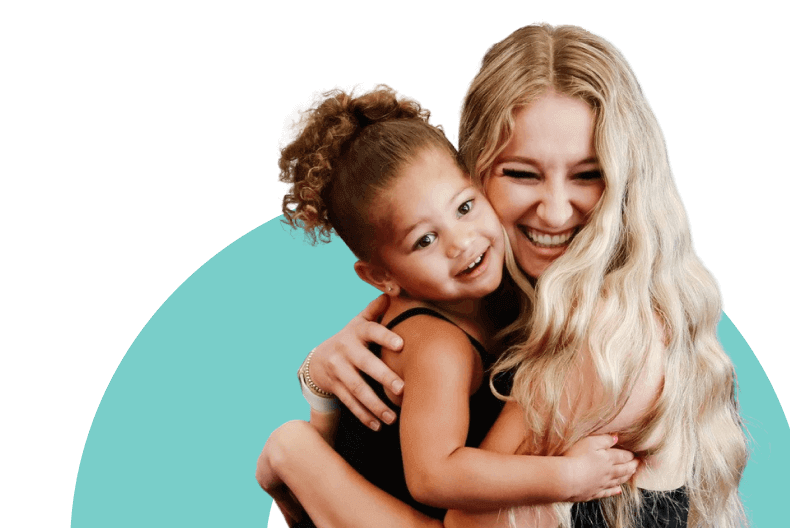
Have you ever noticed how quickly a child starts moving when their favorite song comes on? One moment they’re sitting quietly, and the next they’re spinning, jumping, or inventing their own dance moves!
For children, dancing is a wonderful way to explore feelings, discover new ways to express themselves, and enjoy meaningful experiences with others.
The emotional benefits of dancing extend beyond the excitement of moving to music. From expressing emotions to finding a sense of belonging, dance gives children opportunities to learn about themselves while doing something they enjoy.
What Are the Emotional Benefits of Dancing?
The emotional benefits of dancing for kids include self-expression, improved mood, a sense of accomplishment, social connection, and greater emotional awareness. Through music and movement, children can explore their feelings and better understand themselves and others.
These benefits can emerge through recreational dancing, creative movement, and structured dance classes. Supportive instruction plays an important role by giving children opportunities to participate, experiment, and learn without feeling pressured to perform perfectly.
Let’s explore how these experiences contribute to emotional well-being!
Small moments in dance can create meaningful learning experiences.
| Dance Experience | Emotional Connection |
|---|---|
|
Creative Movement
|
Expressing feelings without words |
|
Moving to Music
|
Enjoyment and everyday emotional release |
|
Learning New Steps
|
Pride in personal progress |
|
Group Choreography
|
Connection and belonging |
|
Exploring Rhythms
|
Recognizing different feelings |
5 Emotional Benefits of Dancing for Kids
1. Expressing Emotions Through Movement
Children don’t always have the words to explain how they’re feeling. Sometimes, movement offers another way to communicate.
Dance encourages children to explore emotions through gestures, facial expressions, and different styles of movement. A child might use energetic movements to express excitement or gentle, flowing motions to communicate a calmer feeling.
Creative dance activities make this especially engaging. Instructors can invite children to imagine how a particular feeling might look as a movement, giving them the freedom to interpret the idea themselves.
There’s no single correct answer, and that’s part of the fun!
These opportunities allow children to experiment with expressing their ideas while discovering that movement can communicate something meaningful.
2. Finding Joy and Releasing Everyday Tension
Sometimes, the most immediate benefit of dancing is simply how enjoyable it feels.
Moving to music gives children an outlet for their energy and a chance to do something playful. Whether they’re following a familiar routine or making up their own movements, dance can provide a welcome change of pace after a busy day.
Music also helps shape the experience. An upbeat song might encourage jumping and energetic movement, while a slower melody invites children to move more gently.
These experiences can help children unwind and enjoy the present moment. The National Dance Education Organization recognizes dance as a valuable educational experience that supports artistic expression and children’s broader development.
3. Feeling Proud of Personal Progress
Few things compare to watching a child realize they can do something that once seemed difficult.
In dance classes, these moments often happen gradually. A child might spend several lessons practicing a turn, learning a sequence of steps, or remembering when to change movements during a routine.
Then something starts to click.
Perhaps they complete the sequence independently or notice that a movement feels easier than before. That moment of accomplishment can be exciting because they recognize their own improvement.
For parents, these are wonderful opportunities to celebrate progress. Instead of focusing only on performances or perfectly executed movements, acknowledge the effort and improvement your child demonstrates.
Learning to appreciate personal progress can help children develop a more positive relationship with new challenges.
4. Building Connections With Other Children
Dance can be an individual form of expression, but participating with others introduces a different emotional experience.
In group classes, children share music, learn choreography, and participate in activities that encourage new relationships. They might contribute their own movements to a routine, practice alongside a partner, or celebrate completing a group activity.
These shared moments create opportunities to connect with classmates through something they enjoy.
For children still learning to interact in group settings, movement can provide a natural starting point. They can participate alongside other children even when they aren’t ready to initiate conversations.
Over time, familiar routines and shared experiences may help children feel more comfortable and included.
The sense of belonging that comes from participating in a welcoming group can be one of the most meaningful emotional benefits of dance classes.
5. Recognizing and Responding to Feelings
Expressing emotions is one part of emotional development. Learning to recognize those feelings is another.
Dance gives children opportunities to notice how different movements, rhythms, and musical styles make them feel.
For example, an instructor might play two contrasting songs and encourage children to explore how they want to move to each one. A slower song might inspire gentle stretching, while a faster rhythm might encourage lively steps.
Afterward, children can describe what they noticed.
Did one song feel peaceful? Did another make them excited to move?
These conversations help children connect physical experiences with emotional awareness.
How Parents Can Support Emotional Growth Through Dance
You don’t need formal dance training to help your child enjoy these experiences. In fact, some of the most meaningful moments can happen while dancing together at home.
Here are a few ways to encourage emotional exploration through movement:
- Make room for creativity. Let your child invent movements, choose music, or experiment with different ways to dance.
- Focus on enjoyment. Celebrate participation and effort without expecting every movement to look perfect.
- Talk about feelings. Ask how a song made your child feel or what they enjoyed about a particular activity.
- Encourage positive experiences. When exploring dance classes, look for instructors who welcome questions, recognize individual progress, and help children feel comfortable participating.
Remember that every child experiences dance differently. Some love energetic group activities, while others prefer quieter, imaginative movement.
Giving children room to explore those preferences helps keep dancing enjoyable and personally meaningful.
Discover the Joy of Dance at America’s Kids In Motion!
At America’s Kids In Motion, our dance programs introduce children to music, movement, and new experiences in a welcoming learning environment!
From their first creative movements to learning more structured dance routines, children have opportunities to explore their interests and celebrate their progress. Whether your child loves moving to music or is ready to try something new, an exciting experience awaits.
Explore our dance classes for kids in Fresno and discover a program that fits your child’s interests!