




Choosing a preschool program is a big step for many families. As you begin researching options, it’s common to see phrases like “structured learning,” “play-based education,” and “school readiness” without always knowing what those terms actually look like in a classroom.
A strong preschool curriculum is about much more than preparing children to memorize letters or numbers.
At America’s Kids In Motion, we believe high-quality preschool experiences help children build independence and a love of learning through engaging, age-appropriate activities.
What Is a Preschool Curriculum?
A preschool curriculum is the overall structure that guides a child’s learning experience.
It includes daily routines, learning activities, developmental goals, social interaction, movement, creativity, and opportunities for exploration.
Many parents picture worksheets or academic drills when they hear the word “curriculum,” but the best preschool programs focus on the whole child. As a result, teachers help children grow emotionally, socially, physically, and academically in ways that feel natural and engaging.
Strong preschool programs support several areas of development, including:
- Social development through sharing, teamwork, and communication
- Emotional development by building confidence, independence, and self-regulation
- Early academic foundations, such as recognizing letters, numbers, patterns, and problem-solving
- Physical development through movement, coordination, and motor skill activities
- Creativity and imagination with art, storytelling, music, and imaginative play
Every preschool may approach learning differently, but high-quality programs often share the same foundational goals: helping children feel supported, engaged, and excited to learn.
What High-Quality Preschool Programs Include
When evaluating preschool options, it’s important to look beyond colorful classrooms or marketing phrases. A strong preschool curriculum should support your child’s development in meaningful, intentional ways while creating a positive learning environment.
Structured Learning With Flexibility
Children benefit from routines because they create comfort and predictability. Knowing what comes next during the day helps young children feel more confident transitioning between activities and participating in classroom experiences.
At the same time, high-quality preschool programs also leave room for flexibility and exploration.
Teachers should be able to adjust activities based on children’s developmental stages, energy levels, and interests. The goal is to guide learning without making children feel pressured.
Hands-On Learning Experiences
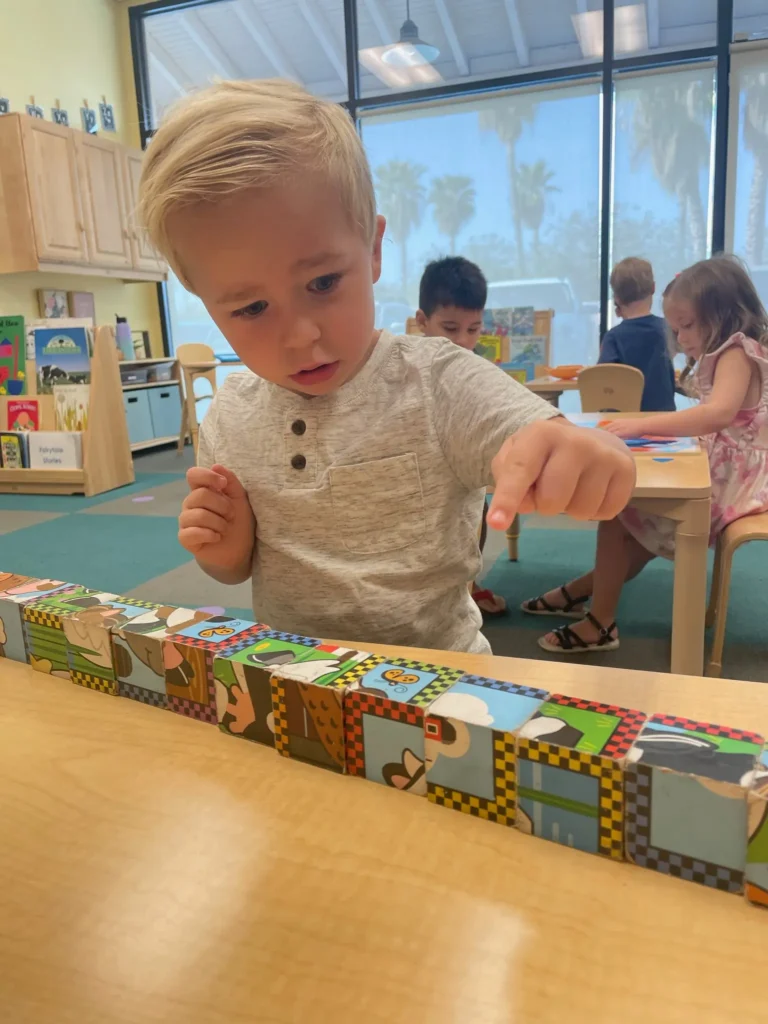
Preschool-aged children learn best when they are actively involved in the learning process. Instead of sitting quietly for long periods, they need chances to explore and interact with the world around them.
Hands-on learning activities may include sensory bins, movement games, art projects, collaborative play, storytelling, and building exercises. These experiences make learning feel exciting while helping children develop important skills naturally.
Through active learning experiences, children begin building:
- Problem-solving skills
- Communication and listening abilities
- Coordination and motor skills
- Creativity and imagination
- Confidence in trying new activities
Movement and creativity are especially important in early childhood education because they help children stay engaged while supporting multiple areas of development simultaneously.
Supportive Social and Emotional Learning
For many kids, preschool is one of the first places where they regularly interact with peers outside the home. That makes social and emotional development a major part of a strong preschool curriculum.
Well-structured programs intentionally teach children how to communicate, share, cooperate, express emotions, and work through challenges with others.
Children who feel emotionally supported are often more willing to participate, ask questions, build friendships, and try new things. Those experiences play an important role in long-term school readiness and confidence.
What Matters Most at Different Preschool Developmental Stages
A high-quality preschool curriculum should grow with your developmental needs. Children learn differently at every stage, and strong preschool programs create experiences that support growth in ways that feel age-appropriate and engaging.
While every child develops at their own pace, thoughtful curriculum design helps children build confidence, communication skills, independence, and curiosity step by step.
Different preschool stages often prioritize different learning goals and teaching approaches as children continue to grow.
Preschool Curriculum for Three-Year-Olds
Three-year-olds are naturally energetic and eager to explore the world around them.
A strong curriculum for younger preschoolers focuses on helping children feel safe, engaged, and comfortable participating in group learning environments.
Three-year-olds often benefit most from:
- Short, engaging activities that match developing attention spans
- Movement-based learning that supports focus and coordination
- Sensory exploration through hands-on activities and discovery
- Guided social interaction that encourages sharing and communication
- Predictable routines that help children feel secure and confident
At this stage, preschool learning should feel playful, supportive, and encouraging while still helping children build foundational developmental skills.
Preschool Curriculum for Four-Year-Olds
Many four-year-olds begin showing greater independence, stronger communication skills, and increased curiosity about how things work.
At this stage, children often begin preparing for future classroom environments by practicing problem-solving, listening, and teamwork skills in more structured ways.
Strong preschool programs for four-year-olds often focus on:
- Early literacy exposure through storytelling, listening, and letter recognition
- Collaborative activities that encourage teamwork and classroom participation
- Creative problem-solving through exploration and hands-on learning
- Fine motor skill development through drawing, cutting, and writing preparation
- Emotional regulation and self-expression during group activities
These experiences help children build confidence while preparing them for future learning environments in a way that still feels engaging and age-appropriate.
How Technology and Creativity Support Modern Preschool Learning
Many preschools thoughtfully combine traditional play-based learning with age-appropriate educational tools and creative experiences.
Technology should never replace movement, imagination, or hands-on interaction, but it can support learning when used intentionally.
The best programs use educational tools to keep children engaged while encouraging communication and creativity. When paired with active learning experiences, these tools can help reinforce foundational concepts without overwhelming young learners.
How Preschool Curriculum Builds Lifelong Skills
Preschool learning goes far beyond preparing children for kindergarten. Many of the habits and learning patterns children develop during early childhood support them throughout their education.
A strong preschool curriculum helps children build foundational skills that often influence how children approach new experiences later in life.
When children feel supported and engaged early on, they are often more willing to participate in classroom activities, communicate with others, and approach challenges with confidence.
Those positive early experiences can help create a healthier relationship with school and learning overall.
Choose America’s Kids In Motion to Support Your Child’s Growth!
The best preschool curriculum creates environments where children feel safe, encouraged, and excited to explore new ideas.
As you evaluate preschool options, pay attention to more than just academic goals. Look for welcoming classrooms, engaged teachers, thoughtful routines, and opportunities for children to learn through movement, creativity, collaboration, and play.
At America’s Kids In Motion, we believe preschool should help children build confidence while creating a strong foundation for lifelong learning.
Contact us today to learn more about our preschool program!