




When you first consider ballet lessons for your child, it’s easy to think of them as just another activity. A place to move, make friends, and try something new.
But many parents quickly begin to wonder what comes next. Is this something your child will outgrow, or could it turn into something more meaningful?
The truth is, children’s ballet follows a structured path. With the right program and support, your child can grow from simple movement classes into a confident dancer with real performance opportunities, and even a path toward company-level training.
Starting Strong: Early Ballet Lessons (Ages 3–5)
At the earliest stage, everything is new, and that’s exactly where growth begins.
We design early ballet lessons to help your child feel comfortable in a structured environment.
The focus is not on perfect technique. Instead, it’s about building confidence, learning how to follow directions, and enjoying movement.
You may start to notice small but meaningful changes early on. Your child might walk into class with more confidence, remember a movement from the week before, or feel proud showing you what they learned.
These moments help build coordination, rhythm, and the ability to learn in a group setting. Just as importantly, they create a positive first experience that encourages your child to keep going.
Building the Foundation: Beginner Ballet Training (Ages 5–7)
Beginner ballet training is the stage where things start to come together. Ballet lessons become a little more structured, and your child begins learning real technique in a way that still feels encouraging and age-appropriate.
Movements start to have names and purpose, and your child begins to recognize patterns from class to class.
You may also start to notice changes outside the studio. Improved posture, better focus, and a growing sense of discipline often show up in everyday life.
Consistency becomes important here. Attending class regularly helps your child build muscle memory and feel more confident in what they’re learning.
Over time, you’ll see your child begin to understand not just how to move, but how to improve. That awareness is what builds confidence and keeps them motivated to continue.
Developing Technique & Commitment (Ages 7–10)
Around this stage, you’ll likely start to notice a real shift, and it’s an exciting one to watch.
Ballet lessons begin to feel more intentional for your child. Instead of simply following along, they start engaging with what they’re learning.
That growth often shows up at home, too. It’s common to catch your child practicing without being asked.
You may notice them standing a little taller throughout the day or talking about what they’re working on in class, like pointed toes or straight legs. These are strong signs that they’re starting to take pride in their progress.
As their skills continue to develop, you’ll start to notice:
- Stronger control when holding positions
- Smoother, more connected transitions between movements
- Faster understanding and execution of choreography
- Growing confidence and awareness on stage
Advancing Toward Pre-Company Training (Ages 10–12+)
Many parents begin to see their child’s interest in ballet deepen as they approach pre-company training.
Ballet lessons start feeling more structured and goal-oriented during this stage. Your child may look forward to class more, take corrections more seriously, and show a stronger desire to improve.
This stage often includes:
- More consistent weekly training
- Greater focus on technique and precision
- Preparation for advanced skills such as pointe
- Increased discipline and personal responsibility
Even as expectations grow, the environment should remain supportive. Your child is still learning, and progress happens over time with the right guidance.
For dancers who are eager to keep growing, this point on their journey naturally leads to more advanced training opportunities.
The Conservatory Path: Preparing for Company-Level Performance
For some dancers, there comes a point where you can tell they’re ready for more.
Ballet lessons begin to feel like more than just a weekly class. Your child may seem more focused, more motivated, and more excited about continuing to grow. That’s often when families begin to think about what the next step could look like.
A Clear Path for Serious Ballet Training
For families considering potential company-level performances, structured programs like In The Spotlight Dance Conservatory are invaluable.
Instead of simply moving up through classes, your child follows a clear, step-by-step path designed to support long-term growth. Each milestone builds on the last and helps dancers develop their discipline and performance readiness.
Within this path, dancers typically move through:
- Preparatory training, where they continue building strong technique and consistency
- Pre-professional development, where training becomes more focused, and expectations gradually increase
- Company-level performance, where dancers apply their skills in a structured, performance-driven environment
What Training Looks Like at This Level
As your child moves into this level of training, you’ll start to notice meaningful changes.
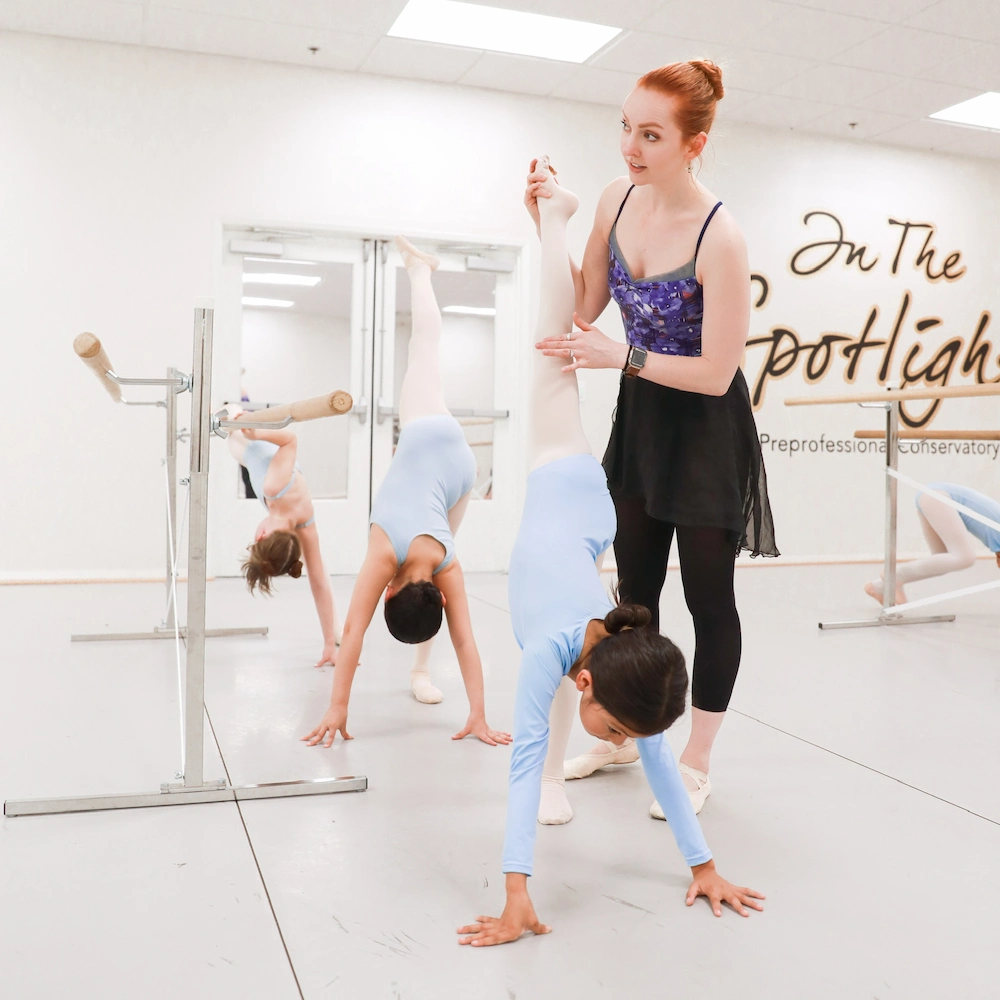
Schedules often become more consistent, with multiple classes each week. Instructors begin giving more detailed feedback to help dancers improve technique, control, and overall performance quality.
You may also see growth in areas like:
- Taking more responsibility for their progress
- Paying closer attention to details in movement
- Practicing more independently
- Showing a stronger commitment to improving over time
Just as importantly, your child is still supported every step of the way. Even as expectations grow, the environment remains encouraging, structured, and focused on long-term development.
Why a Structured Ballet Program Matters
Choosing the right ballet program can shape your child’s entire experience.
A strong program creates a clear path for growth and supports your child at every stage of their development.
At America’s Kids In Motion, we focus on creating an environment where your child feels safe, supported, and encouraged to grow. We balance structure with positivity so your child can continue building skills while still enjoying the process.
The best ballet programs provide:
- A clear progression from beginner to advanced levels
- Age-appropriate training at every stage
- Supportive instructors who build confidence
- Opportunities for performance and continued growth
When these elements are in place, ballet becomes more than an activity. It becomes a foundation for confidence, discipline, and long-term development.
Every Ballet Journey Starts with One Step
Every ballet journey begins in the same place: a first class, a first step, and a willingness to try something new.
From there, ballet lessons can grow into something much more. Your child builds confidence, develops skills, and gains opportunities to perform and improve over time.
You don’t need to have the entire path planned out right now. What matters most is getting started and giving your child the opportunity to grow.
If you’re ready to help your child build confidence, develop skills, and explore their potential, we’re here to support you every step of the way at America’s Kids In Motion.