




Watching your child grow in a children’s dance program is something special. One day, they’re learning their first steps, and before you know it, they’re loving every moment in the studio.
At some point, many parents start to wonder: Is it time to take this to the next level? While that question can feel exciting, it can also feel a little overwhelming.
Let’s walk through what pre-professional training really means, how to recognize when your child is ready, and how to make a decision that feels right for your family.
What Is a Pre-Professional Dance Program?
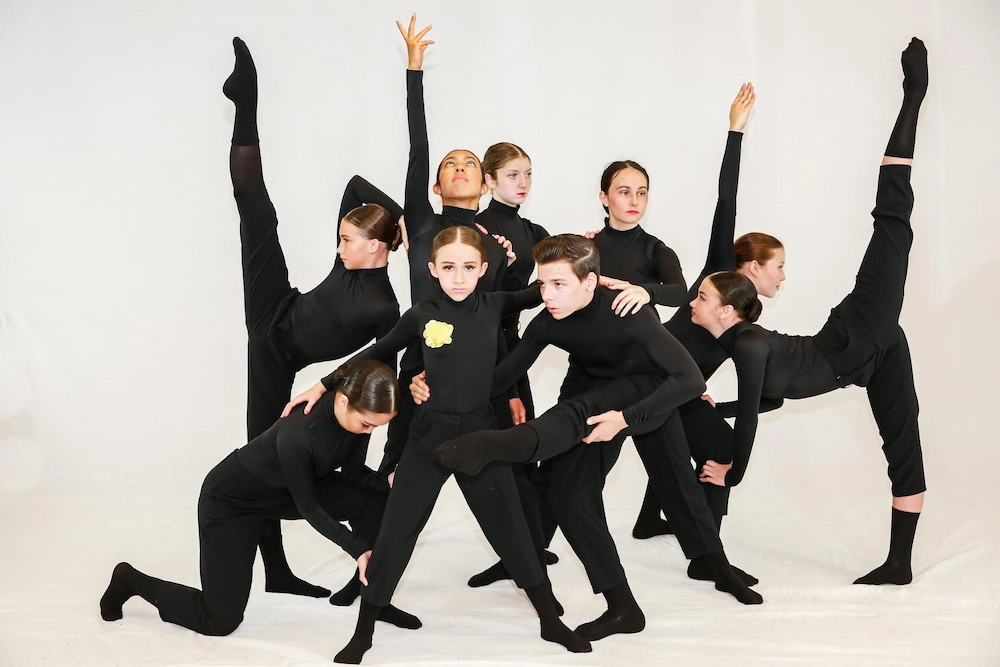
A pre-professional dance program is designed for students who are ready to go beyond recreational classes and begin more focused, structured training.
Instead of just attending class once or twice a week, dancers begin building a stronger foundation through consistent practice, technique development, and goal-setting. It’s still fun, but it’s also more intentional than casual practices.
This stage in your child’s ballet journey often involves attending multiple classes per week, spending more time refining movements, and becoming more aware of their technique.
The goal is to help dancers build skills that can carry them forward, whether they pursue dance long-term or simply want to reach their full potential.
That said, not every child needs to make this transition right away. Timing plays a big role, and rushing into it too soon can take away from the experience rather than enhance it.
When Do Children’s Dance Programs Shift From Fun to Focused?
Dance naturally evolves as your child grows. At first, it’s all about movement, music, and having fun.
But over time, you may notice your child becoming more engaged, more curious, and more invested in improving.
You might start noticing things like:
- Your child talks about dance outside of class
- They take corrections seriously and try to improve
- They feel proud when they master a new skill
These small changes are often the first indicators that your child is ready for more.
Signs Your Child Is Ready for Pre-Professional Training
Every child develops at their own pace, and there’s no perfect checklist they need to complete. Instead, we look for a combination of physical ability, emotional readiness, and genuine interest.
As these elements come together, the transition to more advanced training tends to feel natural.
Physical & Technical Readiness
As your child continues in their dance classes, you’ll start to notice improvements in strength, flexibility, and coordination. These are all important building blocks for more advanced training.
You may notice technical readiness when your child:
- Picks up choreography quickly and remembers it from week to week
- Applies corrections without constant reminders
- Demonstrates growing balance, coordination, and control
- Shows confidence in executing movements
Emotional & Mental Readiness
Physical skills are only part of the picture. Emotional readiness plays a huge role in whether your child is prepared for a more structured environment.
Dancers at this level need to stay focused, listen carefully, and respond positively to feedback. It’s not about being perfect. Instead, it’s about being open to learning.
Signs of emotional readiness often include:
- Staying engaged and focused throughout class
- Accepting corrections without frustration
- Showing patience when learning new skills
- Taking pride in improvement, not just praise
Commitment & Interest
One of the clearest signs your child is ready is their level of interest. When motivation comes from within, everything else tends to follow.
You may notice your child wanting more time in the studio, asking questions about technique, or practicing at home just because they enjoy it.
This kind of excitement is a strong indicator that they’re ready for the next step.
What Changes as Your Child Advances in Their Dance Career?
Moving into pre-professional training brings more structure, but it should still feel supportive and encouraging.
You’ll likely see an increase in class frequency, along with a stronger focus on technique, especially in foundational styles like ballet. Dancers are expected to be more consistent and engaged in their learning.
As a parent, your role becomes a little more involved, too. Supporting your child’s schedule, encouraging consistency, and staying connected with instructors all help create a positive experience.
Choosing the Right Next Step (Without Overwhelming Your Child)
We understand that this decision can feel like a big one. The key is remembering that the goal isn’t to find the most intense studio — it’s to find the right fit.
A strong pre-professional dance program should have experienced instructors who know how to guide students at different levels, creating an environment that feels both structured and encouraging.
You’ll also want to look for clear progression pathways, so you understand how your child can continue to grow over time.
Most importantly, the transition should feel natural. Your child should feel supported and excited, not overly pressured or overwhelmed.
Why the Right Timing Matters More Than Starting Early
It’s easy to think that starting earlier gives your child an advantage. But in reality, timing matters more than speed.
When dancers move into advanced training before they’re ready, it can lead to frustration or burnout. On the other hand, when the timing is right, growth feels exciting and sustainable.
The goal is to build a strong foundation while preserving your child’s love for dance.
When the timing is right, we see dancers:
- Grow in confidence and independence
- Develop a stronger technique over time
- Stay motivated and excited about dance
- Build meaningful friendships with peers
Support Your Child’s Next Step in Dance at America’s Kids In Motion!
Your child’s dance journey is uniquely their own, and there’s no single “right” timeline to follow.
When a child is truly ready, the transition into pre-professional training feels exciting rather than overwhelming. It becomes an opportunity to build skills, form deeper connections, and explore their potential in a meaningful way.
If you’re starting to think about what’s next, we’d love to help guide you.
Reach out to our team to learn how we can help your family take the next step in your child’s dance journey!