




If you’re exploring preschool options for your 2-year-old, you may be wondering whether now is the right time to start.
We hear that question often, and the answer is that preschool readiness isn’t based on a single milestone. While age plays a role, readiness also includes factors like curiosity, social development, communication, and your toddler’s willingness to explore new experiences.
The good news is that children don’t need to have everything figured out before they start. Preschool is often where many important skills begin to grow.
At America’s Kids In Motion, we believe young children learn best when they feel safe exploring, playing, moving, and discovering. Understanding what preschool looks like at this age can help you decide whether your child may be ready for this next step.
What Does Preschool for 2-Year-Olds Look Like?
Many parents hear the word preschool and picture children sitting at tables learning letters and numbers. And while early learning certainly happens, preschool for younger children looks much different.
At two years old, children are naturally curious about the world around them. That’s why preschool for younger learners is designed to help children develop through hands-on experiences.
Music, movement, creative activities, stories, sensory play, and social interaction all play an important role in how children learn at this age.
A typical preschool day may include opportunities to:
- Explore new activities and materials
- Participate in music and movement
- Practice social skills with peers
- Build communication skills through play
- Strengthen fine motor and gross motor development
- Become comfortable with simple routines
These experiences help children develop important skills while keeping learning fun, engaging, and age-appropriate.
Signs Your Child May Be Ready for Preschool
There isn’t one checklist that determines preschool readiness. Instead, we encourage parents to look for signs that their child may be ready to benefit from new social, developmental, and learning experiences.
Some common signs include:
- Showing curiosity about other children
- Enjoying new activities and environments
- Following simple directions
- Communicating basic wants and needs
- Participating in short group activities
- Demonstrating growing independence
- Feeling comfortable separating from parents for short periods
Not every child will hit every milestone at the same time.
We often see children develop different skills at different rates. One child may eagerly join group activities but still struggle with transitions. Another may be highly independent at home but take longer to warm up in new environments.
That’s a normal part of development and one of the reasons preschool readiness can look different from one child to the next.
How AKIM Supports Young Learners Through BusyBee Preschool Prep
At America’s Kids In Motion, we know that two-year-olds learn best when they can explore and engage with the world around them.
That’s exactly what our BusyBee Preschool Prep program is designed to do.
BusyBee is a welcoming preschool prep class that nurtures curiosity through play, exploration, movement, and hands-on learning experiences. Children are encouraged to discover new interests and develop important skills while having fun along the way!
What Children Experience in BusyBee
Through age-appropriate activities, young learners have opportunities to:
- Explore through music, movement, and creative play
- Build social and communication skills
- Strengthen coordination and motor development
- Practice early problem-solving and decision-making
- Gain confidence in new environments
- Discover new interests through hands-on learning
Why Movement Matters
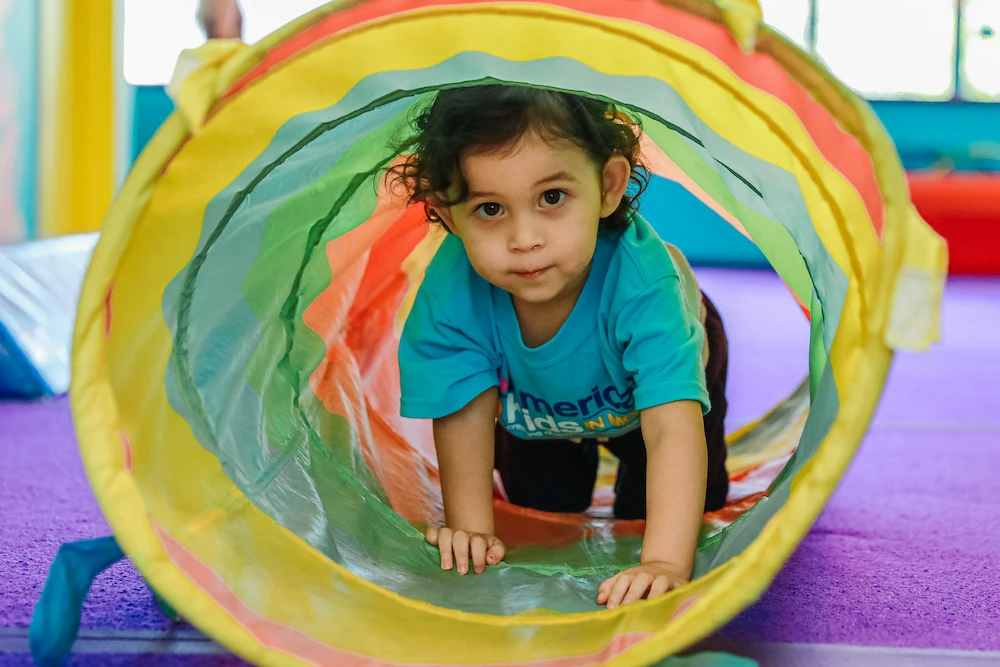
Movement is an important part of how young children learn. As children climb, jump, balance, and participate in guided activities, they develop physical skills while building confidence in what their bodies can do.
Encouraging Creativity and Exploration
BusyBee activities are designed to spark curiosity and imagination through:
- Dramatic play
- Sensory experiences
- Interactive learning opportunities
- Child-led exploration
- Creative expression
These experiences help children explore new ideas, communicate with others, and engage with the world around them in meaningful ways.
Learning Together
One thing that makes BusyBee unique is that parents participate alongside their children. This approach creates a supportive environment where children feel comfortable trying new things while families share in each discovery and milestone together.
For many families, BusyBee serves as a positive introduction to structured learning experiences while helping children build the confidence and skills that support future preschool success.
Helping Your Toddler Take the First Step at America’s Kids In Motion
Every child approaches new experiences differently. Some children are eager to jump into new activities right away, while others take a little more time to build confidence. And both are completely normal.
What matters most is finding a safe, supportive preschool for 2-year-olds where your toddler can learn through play, exploration, movement, and positive social experiences.
At America’s Kids In Motion, we’re passionate about helping young learners discover, grow, and build confidence through engaging educational experiences tailored to their developmental stage.
Explore BusyBee Preschool Prep today and discover how we help children build confidence, curiosity, and a lifelong love of learning.